In Part 1, the financial position relative to the pension objective was central. In Part 2, the perspective shifted to the pension outcome during the decumulation phase.
The next step is the connection with pension design and investment strategy.
Under the Dutch Future Pensions Act (Wet toekomst pensioenen), pension ambition, risk appetite, strategic investment policy and the design of the arrangement come together. TDC adds a goal-oriented analytical layer. The financial position and the pension objective are connected with economic scenarios, financial risk factors, portfolio characteristics and pension outcomes.
The core logic of Part 1 and Part 2 therefore remains intact:
Pension objective → financial position → possible outcomes → achievement of the objective
Part 3 adds the investment dimension:
Economic scenarios → financial risk factors → portfolio characteristics → pension outcomes → achievement of the objective
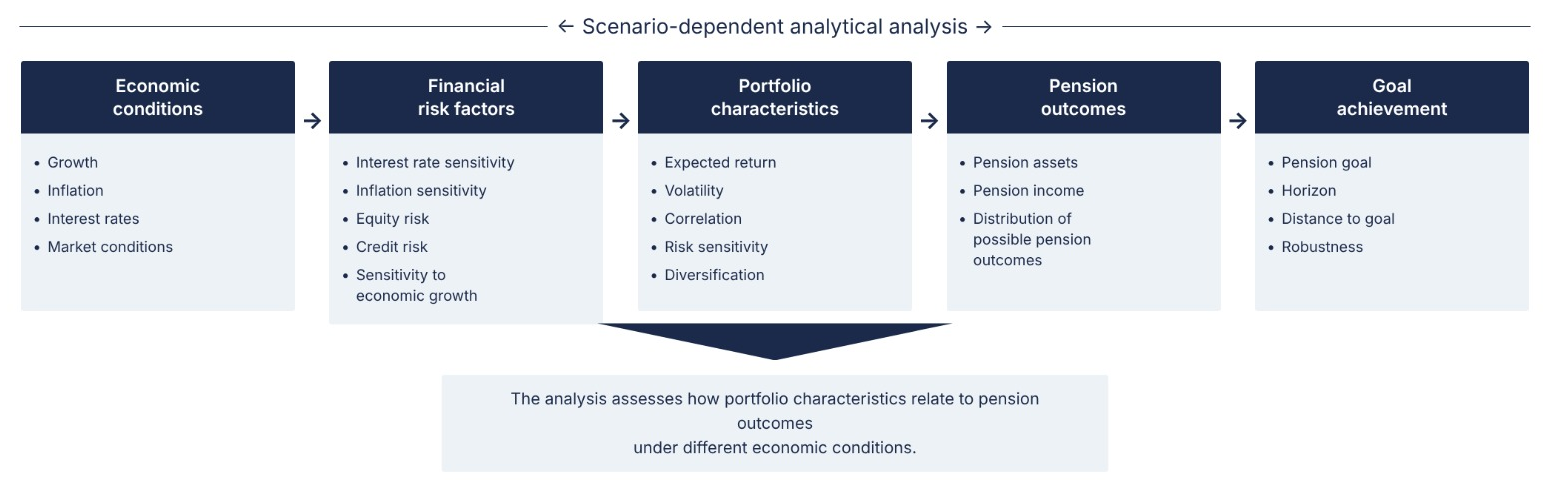
Figure 1 – From economic scenarios to achievement of the objective
Figure 1 shows this analytical chain. Economic scenarios are the starting point. Growth, inflation, interest rates and financial market conditions feed through financial risk factors into the characteristics of a portfolio. Those characteristics help determine the distribution of possible pension outcomes. The final assessment is made against the pension objective.
TDC provides the scenario framework for this. Economic and financial variables are modelled together through time. Different economic conditions can therefore be translated into the financial characteristics and possible pension outcomes of portfolios.
The analysis thus goes beyond the expected return of a portfolio. Interest rates, inflation, economic growth, equity risk, credit risk, currency, volatility and correlations also determine how a portfolio works economically.
Two portfolios with similar asset-class weights can therefore have different economic characteristics. Conversely, different asset-class combinations can contain similar financial risk factors.
TDC makes these underlying characteristics visible in relation to the pension objective.
From ALM to an independent investment lens
ALM brings pension ambition, financial position, risk appetite, scenarios and investment policy together. ALM is therefore an important foundation for the strategic design of a pension arrangement.
TDC adds a further investment lens. Where ALM analyses the connection between pension policy and investment policy as a whole, TDC focuses specifically on the economic and financial characteristics of the portfolio and their contribution to achievement of the objective.
The chosen portfolio can be assessed from an analysis of economic scenarios and risk factors. Portfolio characteristics, the distribution of possible pension outcomes and robustness relative to the pension objective come together in that assessment.
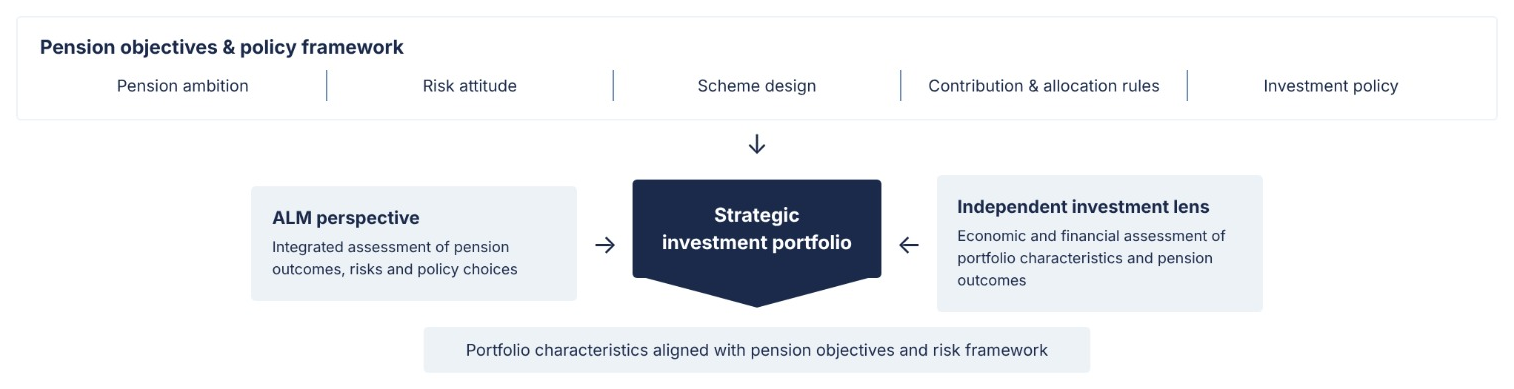
Figure 2 – From ALM to an independent investment lens
Figure 2 places the two perspectives side by side. ALM reasons from pension ambition and policy frameworks towards the strategic design. The TDC lens then analyses the economic and financial characteristics of the portfolio and how they feed through into pension outcomes.
The two perspectives meet at the strategic investment portfolio. That is where the independent investment lens arises: an additional assessment of the economic and financial logic of the chosen portfolio.
TDC thus adds an explicit test of which economic and financial characteristics the chosen portfolio has, and to what extent those characteristics contribute to achievement of the objective within the established policy frameworks.
The assessment can focus on:
- the expected contribution to the pension objective;
- sensitivity to relevant economic scenarios;
- diversification across financial risk factors;
- the distribution of possible pension outcomes;
- robustness relative to the objective and the horizon.
The Weighted Risk Metric (WRM) supports this comparison by bringing together the objective, the horizon and the chosen risk framework. The WRM relates the risk of a portfolio to the probability distribution of the relevant pension outcome against the pension objective, given the chosen horizon and risk framework. The WRM therefore serves as a measure of comparison within the TDC analysis and shows differences between portfolios and their relationship to achievement of the objective.
Risk appetite forms the policy framework. TDC supports the analysis of the portfolios and outcomes that are assessed within that framework.
The investment lens is thus a complement to ALM and the existing governance process: it makes explicit which economic and financial characteristics of the investment strategy contribute to the pension objective, and how robust that contribution is under differing economic conditions.
TDC within SPR and FPR
The same analytical approach can be applied within different collective pension designs. Within the solidarity-based pension arrangement (SPR), contributions are invested collectively and returns and risks are distributed across participants and cohorts according to the chosen allocation rules. In the flexible pension arrangement (FPR), the investment design is usually shaped through lifecycles and investment profiles. In both cases TDC adds a goal-oriented analytical layer.
The essence is that analytical granularity and implementation granularity serve different functions. TDC can make economic positions visible at participant or cohort level, while the actual investment is organised collectively.
Within the SPR, this analysis can be connected to the collective portfolio and the chosen allocation rules. At cohort level it can then be analysed how the financial position and the pension objective relate to the collective investment strategy and to the way return and risk are allocated.
Within the FPR, the same analysis can be connected to the design of lifecycles and investment profiles. That shows how financial position, pension objective, horizon and investment risk relate to one another within the chosen investment design.
Analytical differentiation does not have to be translated one-for-one into investment implementation. An economic position at cohort or participant level can be part of a collective portfolio, a lifecycle or an investment profile. Figure 3 makes this distinction visible.
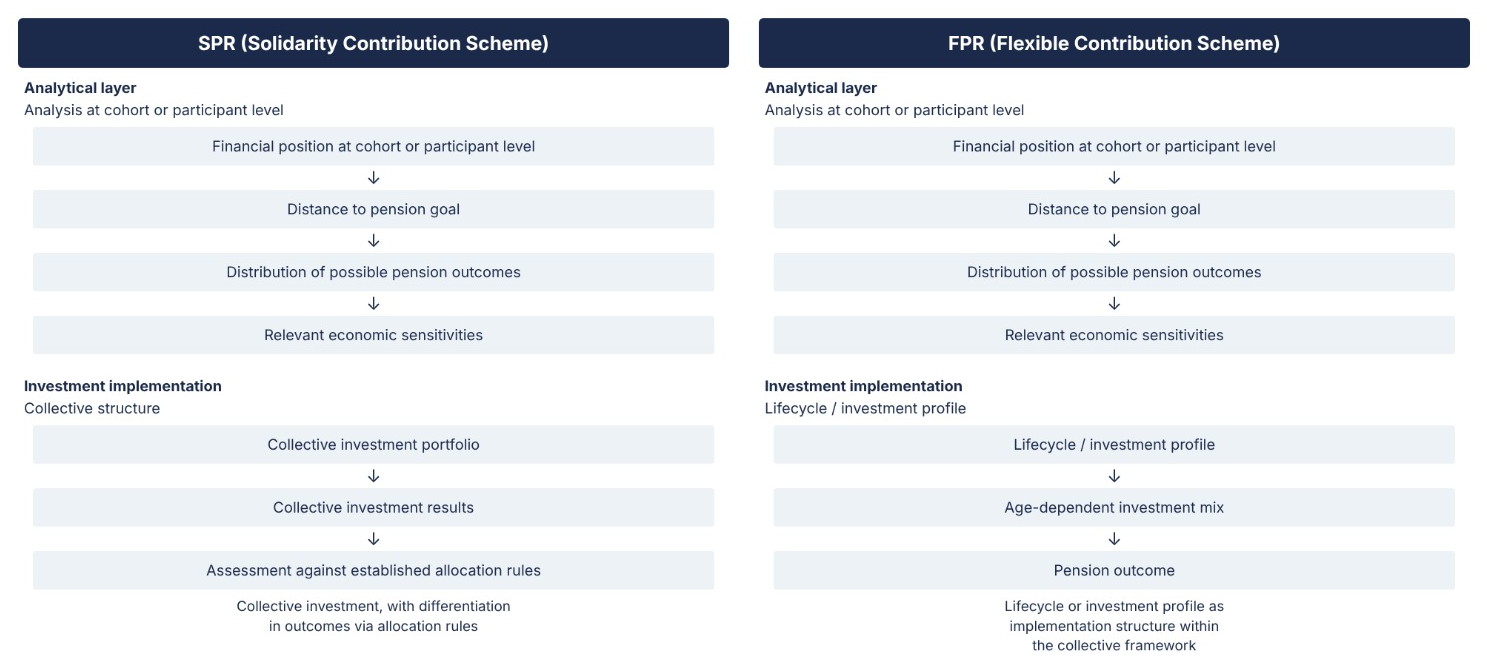
Figure 3 – Analytical granularity ≠ implementation granularity
TDC can, for example, analyse at cohort or participant level:
- financial position;
- distance to the pension objective;
- remaining horizon;
- financial risk factors;
- the distribution of possible pension outcomes.
The actual investment can then be carried out within the existing collective structure. This makes TDC applicable alongside both collective allocation mechanisms within the SPR and lifecycle structures and investment profiles within the FPR.
From portfolio characteristics to achievement of the objective
The elements come together when existing and alternative portfolios are assessed within the same economic scenario framework. A similar expected return can go together with different distributions of possible pension outcomes. The underlying financial risk factors and economic sensitivities help determine the difference. Assessing different portfolios from the same objective, the same horizon and the same scenario framework shows how portfolio characteristics feed through into pension outcomes and achievement of the objective.
The analysis brings three elements together:
Objective → Risk → Outcome
The objective determines what is relevant. The risk framework determines which deviations are appropriate. Scenario analysis shows how different portfolios behave under differing economic conditions.
That creates a concrete basis for an independent portfolio review, in which the economic and financial characteristics of the strategic investment portfolio are assessed in relation to the pension objective, the horizon and the risk framework. The independent portfolio review is therefore an additional assessment of the economic and financial logic of the portfolio within the existing pension and risk frameworks.
The strength of this approach lies in the connection between economic scenarios, financial risk factors, portfolio characteristics and pension outcomes.
Conclusion
Part 1 described TDC from the accumulation phase:
Financial position → required return → probability of achieving the objective
Part 2 shifted the perspective to the decumulation phase:
Financial position → pension income → distribution of outcomes → distance to the objective
Part 3 connects this goal-oriented analysis with pension design and investment strategy:
Economic scenarios → financial risk factors → portfolio characteristics → pension outcomes → achievement of the objective
Within the SPR, this approach aligns with collective investment, cohort allocation and the chosen risk appetite. Within the FPR, it aligns with lifecycles and investment profiles. TDC is therefore a goal-oriented analytical layer on top of the existing pension architecture.
The added value lies in the explicit connection between economic scenarios, financial risk factors, portfolio characteristics and pension outcomes. From that connection comes an independent investment lens on the contribution of the investment strategy to the pension objective.
From objective to outcome. From outcome to investment. From investment back to achievement of the objective.